


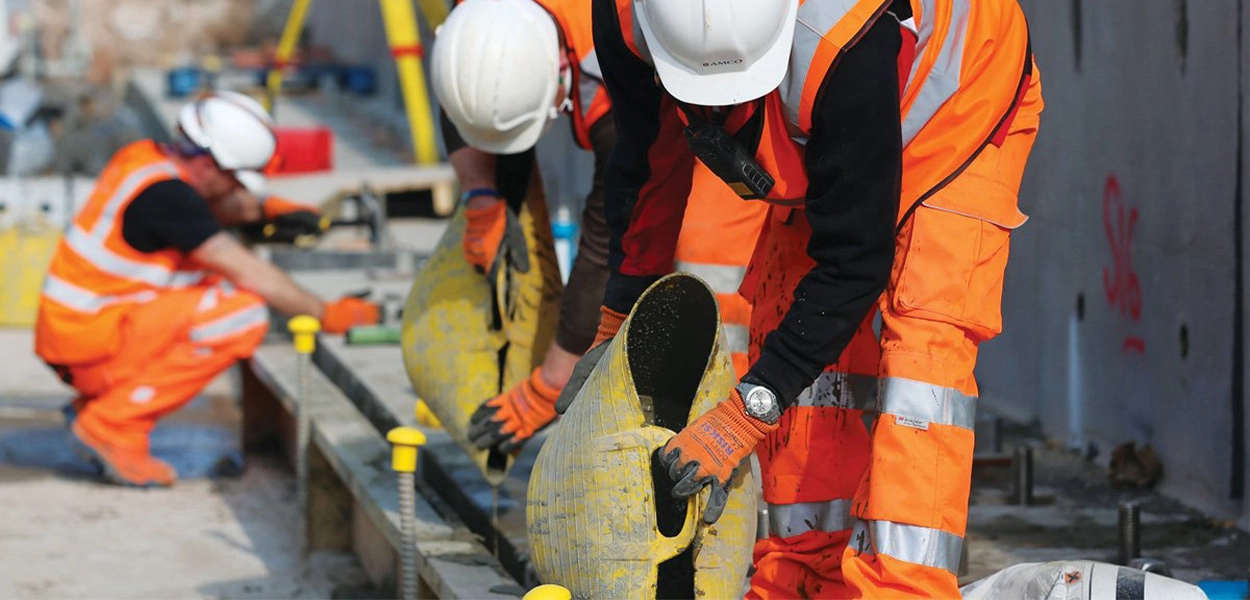
Ergonomics plays a major role in construction because most tasks rely on physical strength, repetitive movement, and awkward positions. When workers understand how to move, lift, and operate tools in safer ways, the entire job site becomes more productive and far less risky. This guide explains how ergonomics fits into the construction environment, what hazards workers face, and how simple practices help reduce strain and injuries.
Understanding Ergonomics in Construction
Ergonomics focuses on designing tasks, tools, and workstations to match the physical needs of workers. In construction, this applies to lifting heavy loads, working at heights, using vibrating tools, and carrying out repetitive tasks for long hours. The goal is to support the body, reduce unnecessary force, and cut down on fatigue.
Construction workers deal with a mix of physical demands every day. Even a small mistake, lifting incorrectly, twisting too fast, or using a tool that does not fit the hand can lead to long-term pain. That is why basic ergonomic awareness is important on every site, not just during special training.
Why Ergonomics Matters on Construction Sites
Many construction injuries come from preventable strain. Musculoskeletal problems grow over time, making it harder for workers to continue their jobs. Good ergonomics helps with:
-
Lower risk of sprains and strains
-
Reduced back and shoulder injuries
-
Better tool handling
-
Longer stamina throughout shifts
-
Fewer mistakes caused by fatigue
When workers understand how their bodies react to physical stress, they make safer decisions. Companies also benefit through lower downtime, more consistent work, and fewer incidents.
Common Ergonomic Risks in Construction
Construction sites have a combination of hazards that directly affect the body. Some of the most common ergonomic risks include:
Repetitive Motions
Hammering, drilling, sawing, and tying rebar require repeated actions. Over time, these motions can cause joint pain, swelling, and muscle strain.
Awkward Postures
Tasks like bending, reaching overhead, squatting, or twisting the torso place stress on the spine. Working in tight spaces can also create unusual body positions.
Forceful Exertions
Lifting heavy materials, pushing equipment, or carrying tools over long distances increases pressure on muscles and tendons.
Vibration Exposure
Tools such as jackhammers, grinders, and compactors expose workers to hand-arm vibration. Long-term exposure may cause circulation issues and numbness.
Heavy Material Handling
Bricks, lumber, cement bags, and machinery parts often require manual lifting. Without proper technique, injuries occur easily.
How Poor Ergonomics Impacts Workers
When ergonomic risks go unchecked, workers may experience:
-
Chronic back pain
-
Shoulder and wrist injuries
-
Knee joint wear
-
Reduced grip strength
-
Fatigue, leading to slower reaction times
These problems do not appear overnight. They slowly build with repeated strain. Left untreated, they can limit mobility, increase sick leave, and affect long-term career paths.
Setting Up an Ergonomic Mindset on a Construction Site
Ergonomics is not only about equipment, it starts with awareness. Workers and supervisors should look at tasks through an ergonomic lens. This includes:
-
Thinking before lifting
-
Planning material flow to reduce extra steps
-
Keeping tools close and within reach
-
Avoiding twisting the spine while carrying loads
-
Taking short breaks to stretch
With small habits like these, daily work becomes safer and more efficient.
Ergonomic Best Practices for Construction Work
Below are practical steps to support workers physically and reduce strain.
Safe Lifting Techniques
Workers should lift using their legs rather than their back. Keeping the load close to the body reduces pressure. If a load feels too heavy, the safer choice is to get help or use a lifting aid.
Using the Right Tools
Tools must fit comfortably in the hand. Handles with proper grip, anti-vibration features, and balanced weight help reduce strain. If a tool feels awkward, it can cause faster fatigue.
Reducing Repetitive Movements
Alternating tasks or switching hands when possible helps the body recover. Even small adjustments make a big difference during long shifts.
Working at Proper Heights
Scaffolds, platforms, and adjustable ladders should be set at heights that prevent bending or overreaching. Bringing the work closer to the worker protects the spine.
Avoiding Awkward Body Positions
Workers should reposition themselves when needed instead of stretching too far. Kneeling pads, stools, or platforms help maintain neutral posture.
Taking Micro-Breaks
Short rests between tasks prevent muscle tightness. These breaks do not reduce productivity; they allow workers to keep working longer with fewer errors.
Using Mechanical Aids
Whenever possible, wheelbarrows, hoists, dollies, and forklifts should be used to move heavy items. Relying solely on manual strength increases risk.
Ergonomics for Specific Construction Tasks
Lifting and Carrying Materials
Workers should check the pathway before moving materials. Any obstacles can force sudden twisting, which leads to back injuries. Team lifting is recommended when materials are long, bulky, or above a safe weight limit.
Tool Operation
Drills, grinders, and saws should be held with the wrist straight. If the wrist bends, pressure builds in the joint. Using tools with extended handles or support straps reduces strain during overhead tasks.
Working at Heights
When on scaffolds or ladders, the body should stay balanced and centered. Leaning too far to one side increases the chance of falling and causes stress on the lower back.
Ground-Level Work
Tasks such as tiling, wiring, or plumbing often happen at floor level. Knee pads and small stools help workers maintain a more neutral position. Constant squatting should be avoided.
Training and Awareness for Workers
For ergonomics to work well, workers must understand why it matters. Training should cover:
-
Basic lifting practices
-
Recognizing early signs of strain
-
How to adjust posture
-
Safe tool handling
-
When to ask for help
Supervisors should also know how to spot poor habits. Early correction prevents long-term injuries.
Creating an Ergonomic Work Culture
A strong ergonomic culture forms when workers look out for themselves and each other. This includes pointing out unsafe lifting, offering help with heavy loads, and reminding coworkers to adjust their posture. Simple communication prevents many injuries.
Companies can also support this culture by supplying better tools, reducing manual handling where possible, and allowing short stretching breaks. When workers feel supported, they are more likely to follow ergonomic practices every day.
Conclusion
Ergonomics for construction is not complicated. It is about working smarter, protecting the body, and reducing strain during everyday tasks. By using proper lifting techniques, the right tools, better posture, and regular micro-breaks, workers stay safer and more productive. With the right mindset, ergonomics becomes a natural part of construction work and leads to long-lasting health benefits for everyone on the job site.