
Conveyors help move products quickly through warehouses. They save time and reduce heavy lifting. But if not used safely, conveyors can be dangerous, especially for pickers and packers who work near them every day.This guide explains the basics of co
Lockout/Tagout and Confined Spaces: A Safety Guide for U.S. Electricians and Mechanics
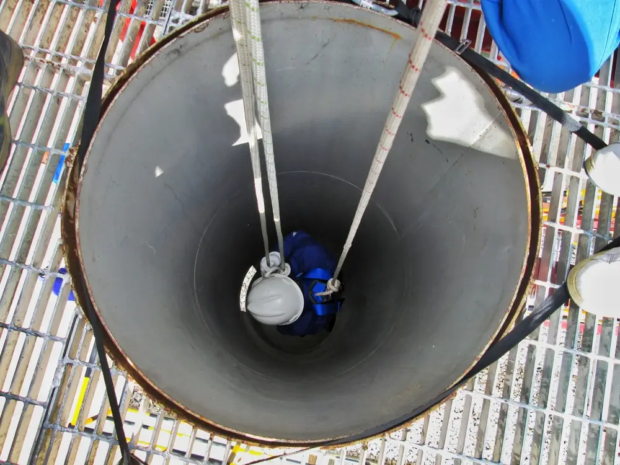
Working inside confined spaces is already risky. But when electrical or mechanical systems are involved, the danger increases fast. That’s why Lockout/Tagout (LOTO) procedures are so important, especially for electricians and mechanics who enter or w
Safe Handling of Gas Cylinders in Laboratories (USA): A Guide for Technicians and Researchers
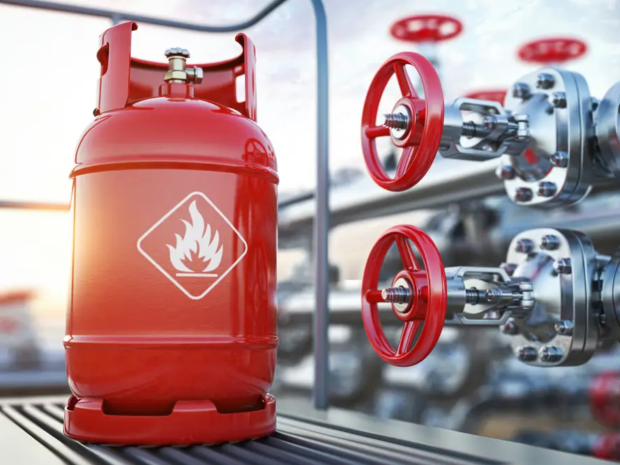
Gas cylinders are a common part of daily work in many laboratories across the United States. Whether you're working with oxygen, nitrogen, carbon dioxide, or more hazardous gases, proper handling is critical. Mistakes can lead to serious injuries, fi
Driver Fatigue and Alertness: Safety Strategies for Long-Haul and Overnight CDL Drivers
Driving a truck for long hours, especially at night, can be physically and mentally exhausting. CDL drivers who do long-haul or overnight routes face unique challenges, including sleep loss, road monotony, and tight delivery schedules. Fatigue is one
Building an Audit-Ready Culture: How Clinical Sites Can Integrate Safety and Compliance Training
Clinical research sites are under constant pressure to follow strict rules, protect human subjects, and be ready for audits at any time. While written policies matter, what really builds a strong foundation is the daily behavior of staff. When safety
How Quality Culture Impacts Worker Safety in Medical Device Manufacturing
In the medical device industry, safety isn’t just about the patients. It’s also about the people who make the devices, the workers. Many companies focus heavily on compliance and product standards, but a strong quality culture is what truly keeps bot
Construction Workers and Unexpected BBP Exposure: What You Need to Know
When we think of dangers on a construction site, we usually think of falling tools, heavy equipment, or loud noises. But there is another risk that’s often forgotten: bloodborne pathogens (BBPs).These are harmful viruses found in human blood and some
Safety Responsibilities for IRB Members: Protecting Both Subjects and Staff
Institutional Review Boards (IRBs) play a key role in research oversight. Their job goes far beyond reviewing study designs and consent forms. IRB members are responsible for protecting the rights, safety, and well-being of human subjects. But anothe
Documentation Safety: Why Accurate Batch Records Protect More Than Just Compliance
Every batch of pharmaceutical product starts with documentation. From raw material receipts to production logs, each step in manufacturing is recorded in batch records. On paper, this may look like a mundane task. In reality, those pages are vital to
Rigging Safety for Crane Operators: What You Should Expect from Ground Crews
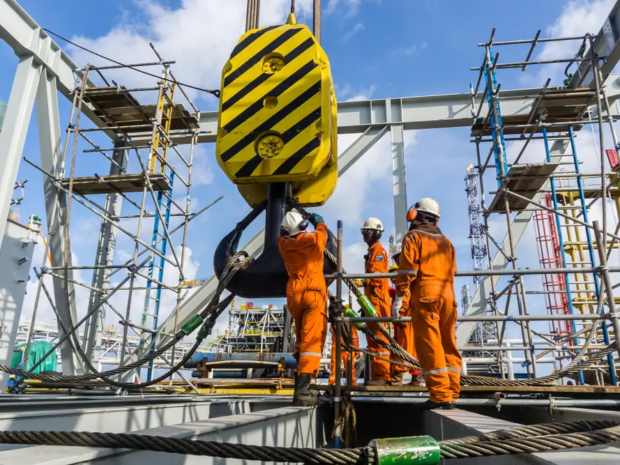
Rigging is one of the most critical tasks in crane operations. Whether lifting steel beams, heavy machinery, or construction materials, every move must be carefully planned and clearly communicated. Crane operators rely on ground crews for safe riggi