
VelsafeVelsafe

Workplace Safety Guides, Insights & Training

Velocity Safe Blog
  • Sign in /
  • join
  • Home
  • Insights
  • Guides
  • Practice Tests
  • Tips
  • Worker Safety
  • Situational
  • OSHA Tools
  • Law

Home » Healthcare » Page 2

Healthcare

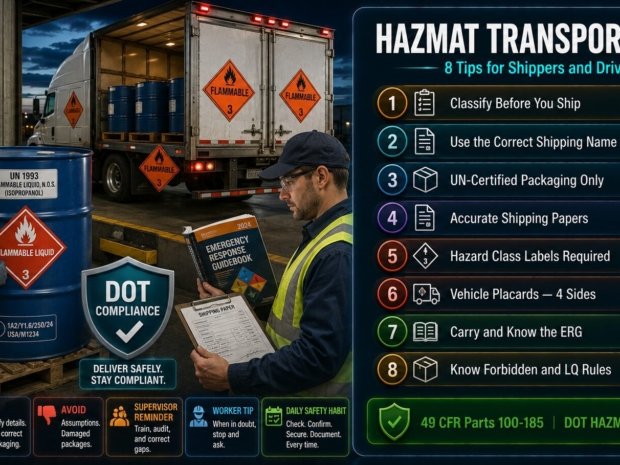
HAZMAT transportation tips for US shippers and drivers covering DOT hazardous material classification, proper shipping names, UN packaging, labels, placards, the Emergency Response Guidebook and limited quantity exceptions
July 15, 2026
by VelSafe Editorial Team Tips

8 HAZMAT Transportation Tips Every US Shipper and Driver Needs to Know

Read More
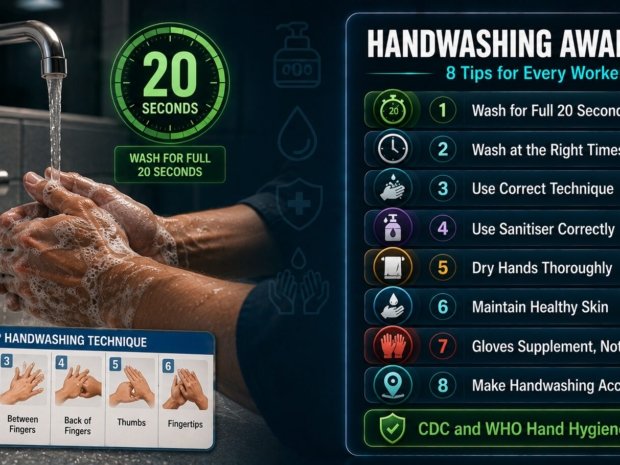
Handwashing awareness tips for the workplace covering 20-second technique, correct timing, sanitiser use, drying, glove hygiene and hand care based on CDC and WHO guidance
July 12, 2026
by VelSafe Editorial Team Tips

8 Handwashing Awareness Tips Every Worker Should Know

Read More
formaldehyde-us-workplace-legal-requirements
July 1, 2026
by VelSafe Editorial Team Law

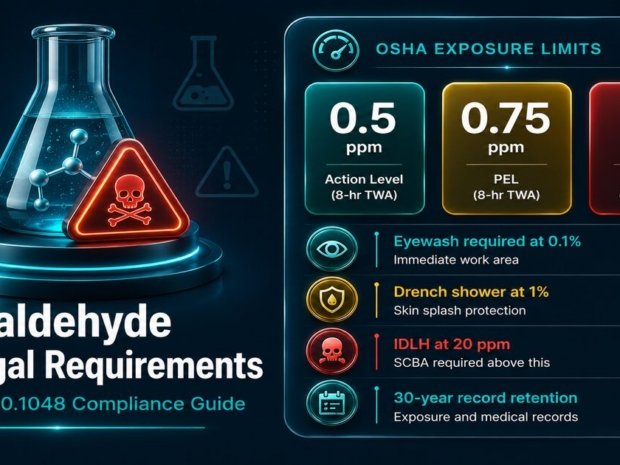
Formaldehyde in the Workplace: US Legal Requirements

Disclaimer: This article provides general information about OSHA formaldehyde requirements and is not legal or medical advice. Requirements may vary based on specific workplace conditions, industry sector, and applicable state plans. Consult a qualif
Read More
featured_flammable
June 28, 2026
by VelSafe Editorial Team Worker Safety

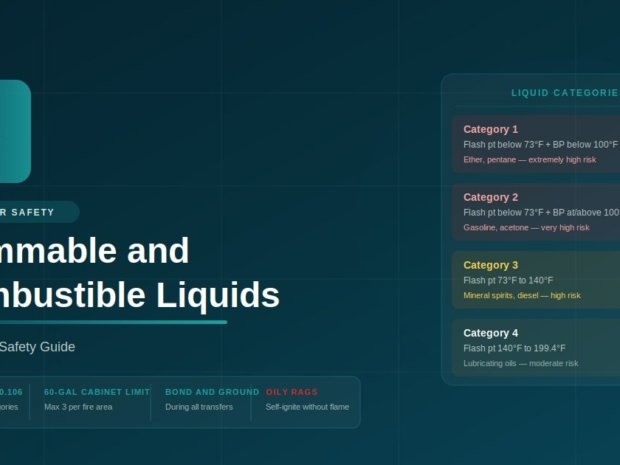
Flammable and Combustible Liquids: Workplace Safety Guide

Flammable and combustible liquids are present in virtually every workplace that performs manufacturing, maintenance, cleaning, painting, or vehicle fueling. The two primary hazards associated with flammable liquids are explosion and fire. What mak
Read More
fire-extinguisher-construction-tips
June 20, 2026
by VelSafe Editorial Team Tips

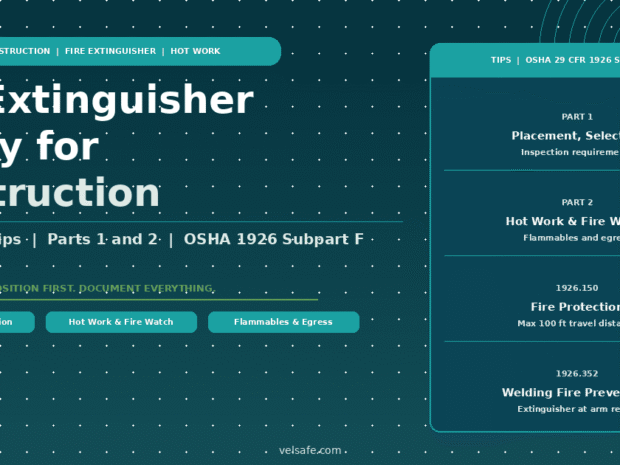
Fire Extinguisher Safety for Construction: 12 Tips

Fire Extinguisher Safety for Construction: 12 Practical Tips Construction sites are among the highest-risk fire environments in any industry. Flammable liquids, hot work, combustible framing materials, temporary wiring, and the absence of fixed su
Read More
Cryogen Handling for Maintenance Crews Safe Storage and Transfer Techniques (USA)
August 2, 2025
by VelSafe Editorial Team Worker Safety

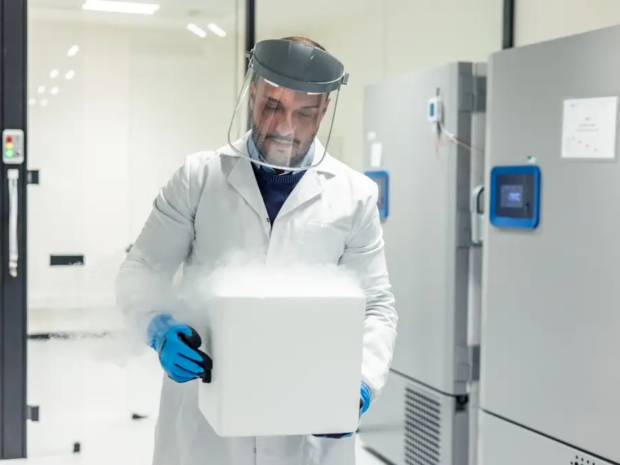
Cryogen Handling for Maintenance Crews: Safe Storage and Transfer Techniques (USA)

Cryogens like liquid nitrogen, oxygen, argon, and helium are commonly used in industrial settings, research labs, and manufacturing plants across the U.S. These substances are stored at extremely low temperatures (below –150°C), which makes them both
Read More
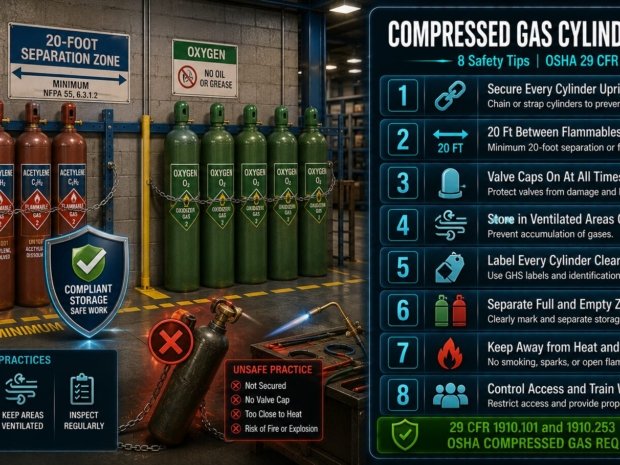
Compressed gas cylinder storage safety tips covering OSHA 29 CFR 1910.101 requirements including cylinder securing, 20-foot flammable oxidiser separation, valve caps, ventilation, GHS labelling and access control
July 25, 2025
by VelSafe Editorial Team Tips

How to Store Compressed Gas Cylinders Safely – A Simple Checklist

Read More
Disaster Recovery and CMS Star Ratings How Emergency Events Affect Quality Measures
July 20, 2025
by VelSafe Editorial Team Situational

Disaster Recovery and CMS Star Ratings: How Emergency Events Affect Quality Measures

Natural disasters like hurricanes, wildfires, floods, and other emergencies don’t just damage buildings or displace communities, they also disrupt the operations of health plans. When these events hit, everything from patient access to customer servi

Read More
Construction Workers and Unexpected BBP Exposure What You Need to Know
July 20, 2025
by VelSafe Editorial Team Worker Safety

Construction Workers and Unexpected BBP Exposure: What You Need to Know

When we think of dangers on a construction site, we usually think of falling tools, heavy equipment, or loud noises. But there is another risk that’s often forgotten: bloodborne pathogens (BBPs).These are harmful viruses found in human blood and some

Read More
5 Simple Ways to Protect Yourself from Bloodborne Pathogens at Work
July 19, 2025
by VelSafe Editorial Team Tips

5 Simple Ways to Protect Yourself from Bloodborne Pathogens at Work

Bloodborne pathogens like HIV, Hepatitis B (HBV), and Hepatitis C (HCV) can enter your body through cuts, splashes, or direct contact with infected blood and body fluids. Many workers, especially those in healthcare, sanitation, emergency response, a

Read More
  • First
  • Previous
  • 1
  • 2

Subscribe Now

VelSafe Subscribe
VelsafeVelsafe

Workplace Safety Guides, Insights & Training

Linkedin Twitter Instagram
Category
  • Insights
  • Guides
  • TIPS
  • LAW
  • Practice Tests
  • SITUATIONAL
Info
  • About Us
  • Get Featured
  • Newsletter
  • Contact Us
Popular Posts
Medicare Advantage provider compliance law 42 CFR Part 422 showing network adequacy credentialing prompt payment participation rules and anti-discrimination requirements
September 5, 2026

Medicare Advantage Provider Compliance: The Law

Medicare Advantage Part C and Part D grievances law compliance binders and grievance process checklist
September 4, 2026

Medicare Advantage Grievances: Part C and…

Newsletter

Send us a newsletter to get update


    © 2026 . All rights reserved.
    Shopping Basket