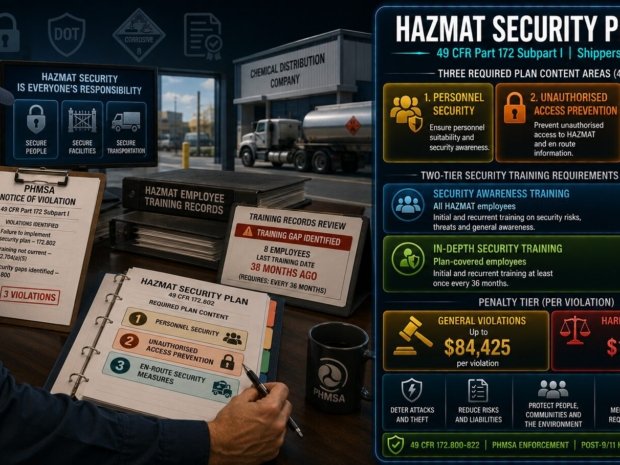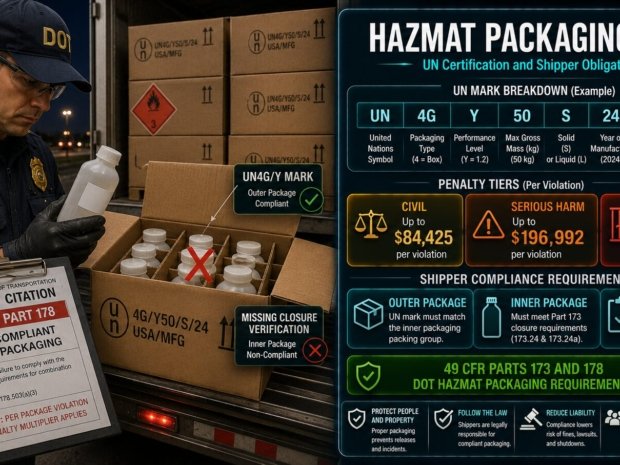

LAW: Import Operations Import Operations: Legal Background and Regulatory Framework Every product that crosses a US border enters a layered regulatory system involving Customs and Border Protection, the Food and Drug Administration, the Consu

LAW: Import Operations Import Operations: Legal Background and Regulatory Framework Every product that crosses a US border enters a layered regulatory system involving Customs and Border Protection, the Food and Drug Administration, the Consu

LAW: Healthcare Compliance Programme Healthcare Professional Compliance Programmes: Legal Requirements and Core Elements Healthcare organisations, pharmaceutical manufacturers, medical device companies, and their commercial teams operate in a
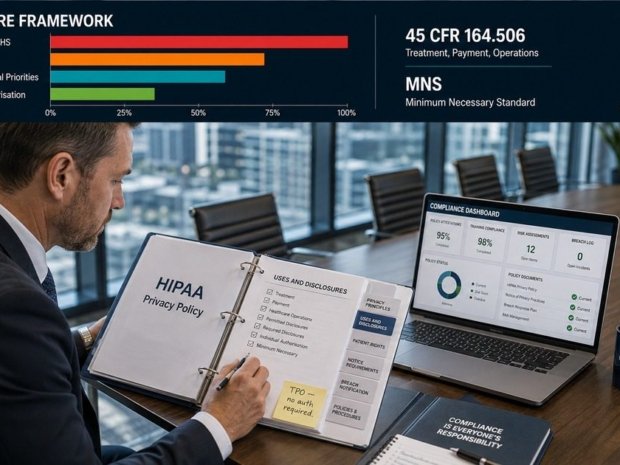
LAW: HIPAA Compliance HIPAA Privacy: Role-Based Training III: Uses and Disclosures of PHI The HIPAA Privacy Rule does not prohibit all uses and disclosures of protected health information. It establishes a structured framework of permitted pu

LAW: Heat Stress Compliance Heat Stress Regulations: Employer Obligations and Compliance Requirements Heat illness kills dozens of US workers each year and hospitalises hundreds more. OSHA has pursued heat illness citations under the General
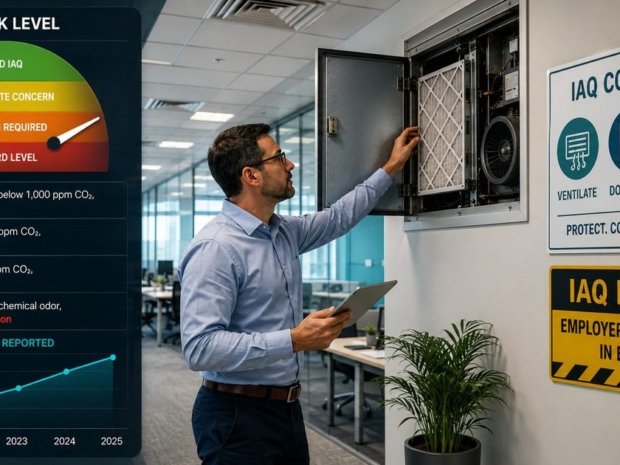
LAW: Healthy Buildings Indoor Air Quality Compliance Indoor Air Quality Law: What US Employers Must Do to Protect Occupants No single federal law governs indoor air quality in non-industrial workplaces. IAQ compliance for healthy buildings dr
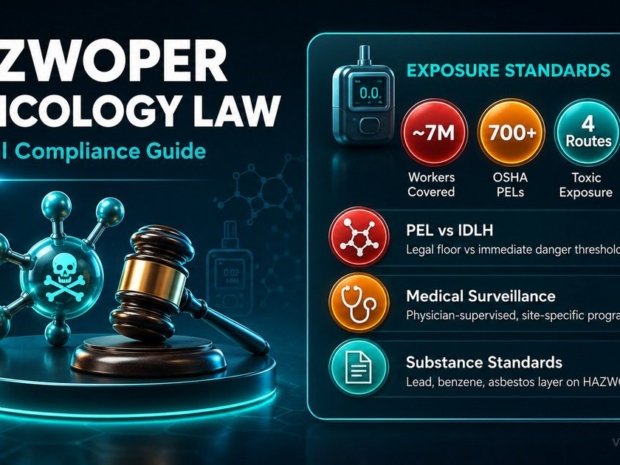
LAW: HAZWOPER Toxicology and Chemical Exposure Compliance HAZWOPER Toxicology: What the Law Requires When Workers Are Exposed to Hazardous Substances HAZWOPER's toxicology requirements govern how employers must identify, assess, and control c

LAW: Hazardous Waste Operations and Emergency Response HAZWOPER: Monitoring and Medical Surveillance (US)What 29 CFR 1910.120(f) and (h) Require of Every Employer Two of the most frequently overlooked employer obligations under HAZWOPER are a

LAW: Hazardous Materials and Emergency Response HAZWOPER and the DOT Emergency Response GuidebookYour Legal Guide to US Hazmat Compliance OSHA's HAZWOPER standard (29 CFR 1910.120) governs how employers and workers respond to hazardous substa