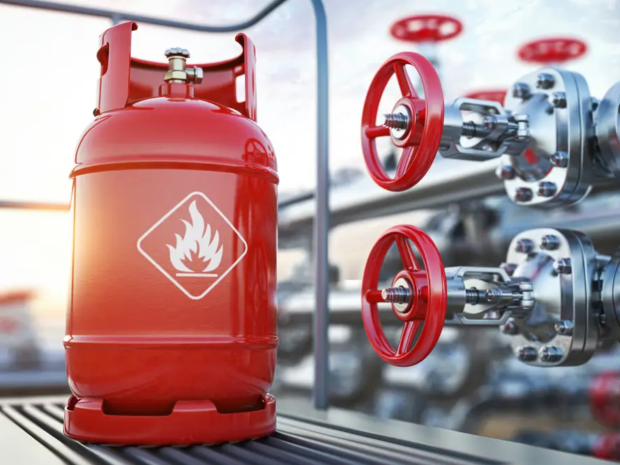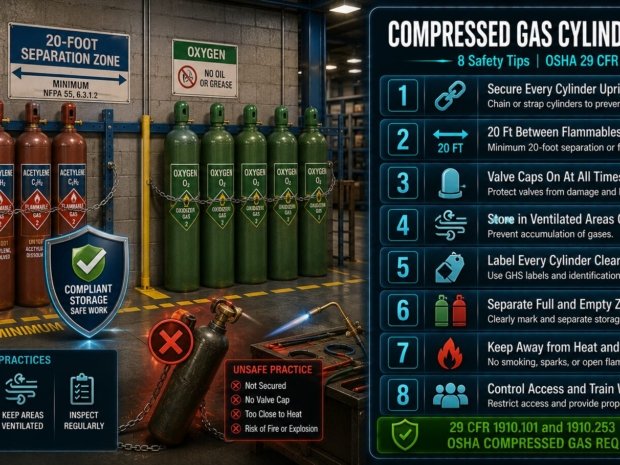

Gas cylinders are a common part of daily work in many laboratories across the United States. Whether you're working with oxygen, nitrogen, carbon dioxide, or more hazardous gases, proper handling is critical. Mistakes can lead to serious injuries, fi
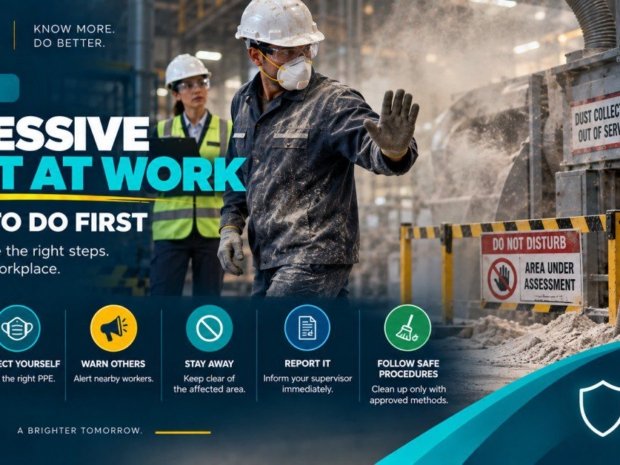
What to Do First If You Spot Excessive Dust in Your Work Area
Dust may look harmless, but in a workplace, it can be a serious safety hazard. Whether you're working in construction, manufacturing, or even in a warehouse, dust buildup can lead to health risks, equipment damage, and even fires or explosions. If yo
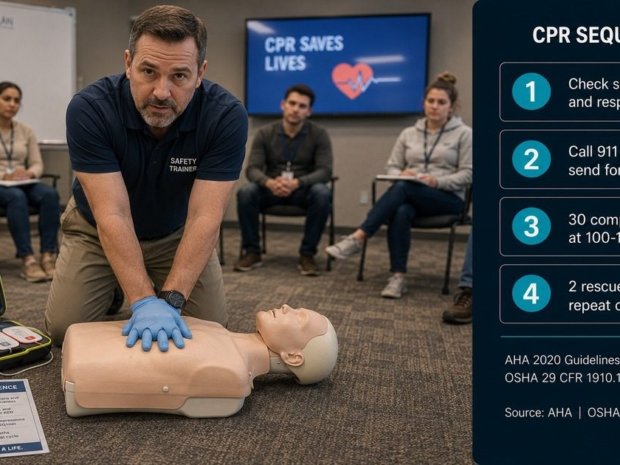
How to Perform CPR Safely: A Step-by-Step Guide with U.S. Legal Protections
GUIDE: CPR and Emergency Response How to Perform CPR Safely: A Step-by-Step Guide with U.S. Legal Protections Cardiac arrest kills more than 350,000 Americans outside hospitals each year. Immediate CPR can double or triple the chance of survi
Construction Workers and Unexpected BBP Exposure: What You Need to Know
When we think of dangers on a construction site, we usually think of falling tools, heavy equipment, or loud noises. But there is another risk that’s often forgotten: bloodborne pathogens (BBPs).These are harmful viruses found in human blood and some
5 Simple Ways to Protect Yourself from Bloodborne Pathogens at Work
Bloodborne pathogens like HIV, Hepatitis B (HBV), and Hepatitis C (HCV) can enter your body through cuts, splashes, or direct contact with infected blood and body fluids. Many workers, especially those in healthcare, sanitation, emergency response, a