
GUIDES: Hazardous Waste Operations and Emergency Response HAZWOPER Emergency Response: A Complete Step-by-Step GuideHow to Build, Implement, and Maintain a Compliant Program OSHA's HAZWOPER standard (29 CFR 1910.120(q)) requires employers to

GUIDES: Hazardous Waste Operations and Emergency Response HAZWOPER Emergency Response: A Complete Step-by-Step GuideHow to Build, Implement, and Maintain a Compliant Program OSHA's HAZWOPER standard (29 CFR 1910.120(q)) requires employers to
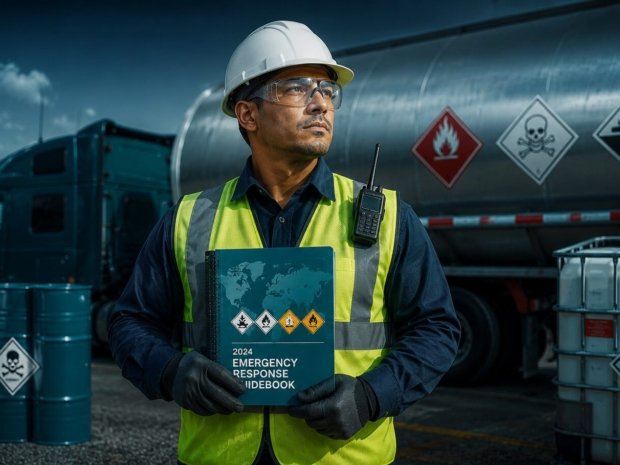
LAW: Hazardous Materials and Emergency Response HAZWOPER and the DOT Emergency Response GuidebookYour Legal Guide to US Hazmat Compliance OSHA's HAZWOPER standard (29 CFR 1910.120) governs how employers and workers respond to hazardous substa
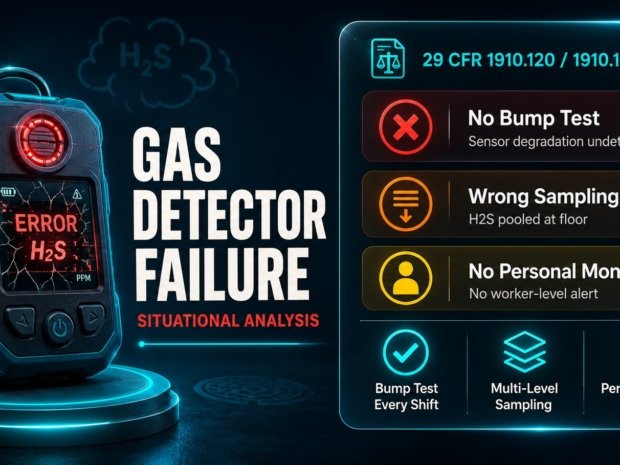
A direct-reading portable gas monitor is one of the most relied-upon instruments in HAZWOPER operations. When it works correctly, it provides real-time data on the atmospheric conditions that determine whether a worker lives or dies. When it fails, o
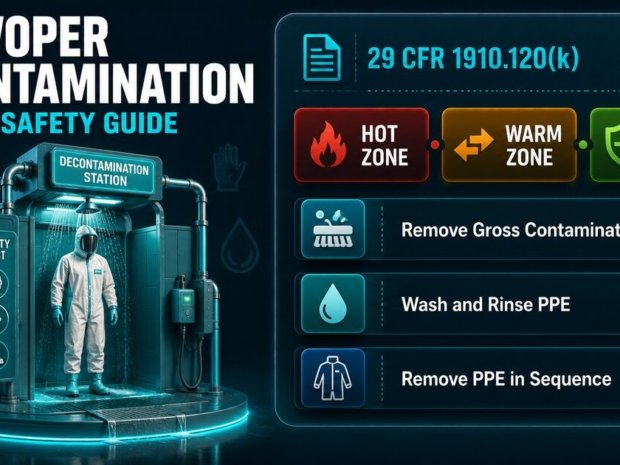
Every time you leave a hazardous work zone, you carry a risk with you. Contaminants can cling to your gloves, your boots, your outer garments, and your skin. If you skip decontamination or rush through it, you transfer those hazards to clean areas, t
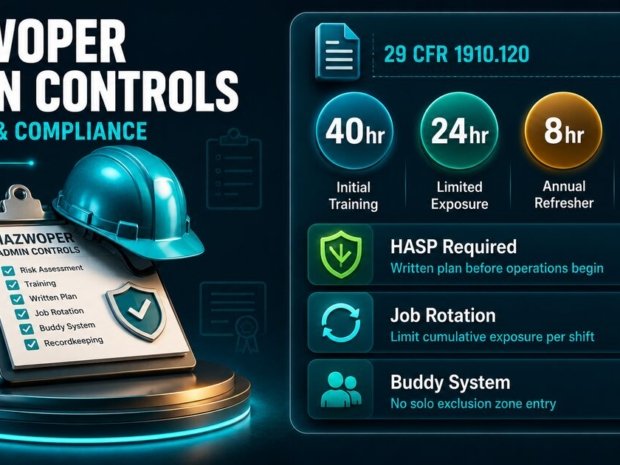
HAZWOPER compliance does not start with a respirator. It starts with the decisions made before workers ever enter a hazardous area. Administrative controls, the policies, schedules, procedures, and training programs that shape how work gets done, are
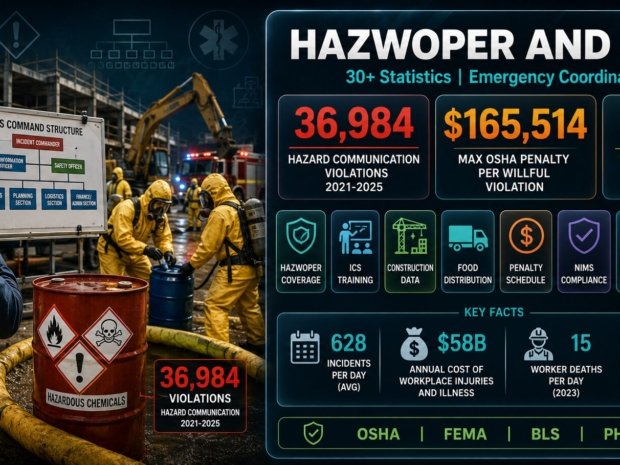
INSIGHTS: HAZWOPER and NIMS Emergency Coordination Data HAZWOPER and NIMS: 30+ Statistics on Workplace Emergency Coordination OSHA's HAZWOPER standard and FEMA's National Incident Management System together define how employers must prepare f
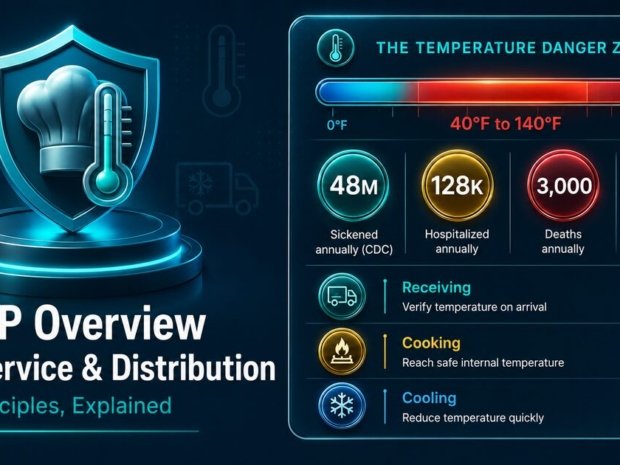
Every year, an estimated 48 million people in the United States get sick from a foodborne illness, 128,000 are hospitalized, and 3,000 die, according to CDC estimates. Most of these illnesses are preventable. The system designed to prevent them is
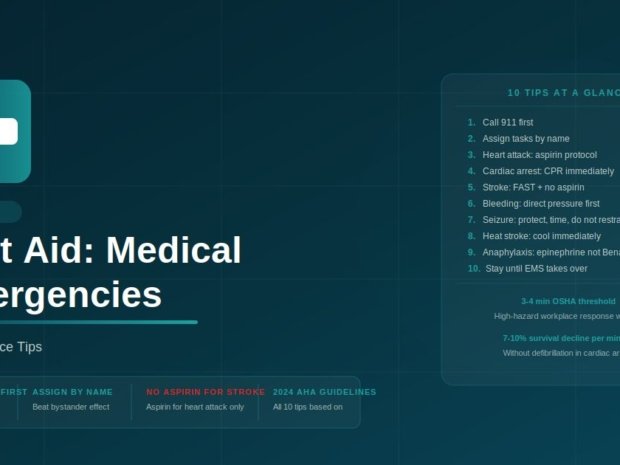
Medical emergencies in the workplace — cardiac events, strokes, severe bleeding, seizures, and heat stroke — are time-critical by definition. The outcome for a worker in cardiac arrest is shaped almost entirely by what happens in the first four mi